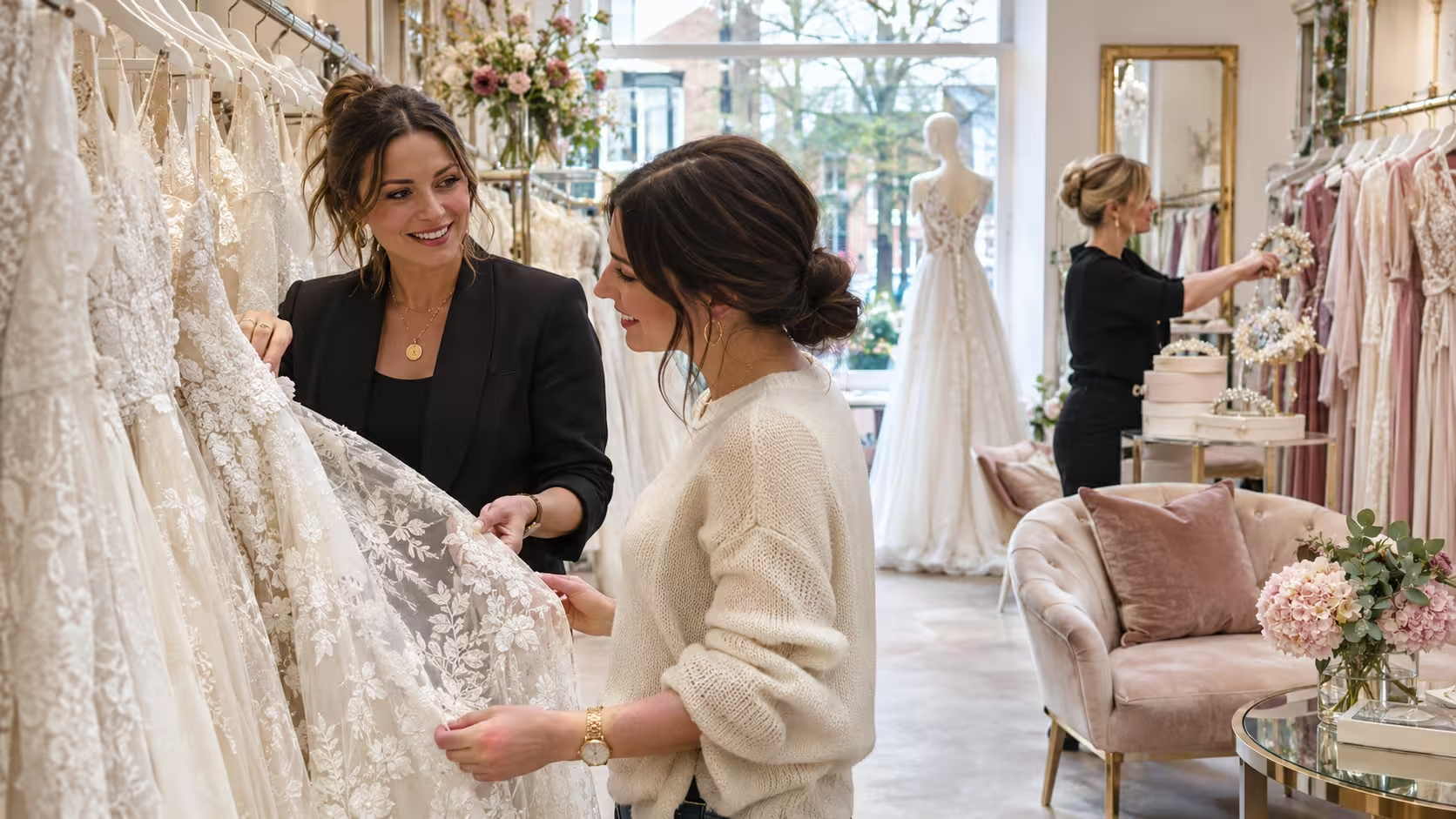
How Can Independent Bridal and Fashion Businesses Grow in the UK Market?
Independent bridal boutiques and fashion businesses bring something distinctive to the UK high street: personal service, specialist knowledge and products beyond large chains. Yet owners face changing tastes, online competition, rising costs and demanding customer expectations.
Smaller brands can turn their size into an advantage. Understanding their audience, developing a recognisable identity and building local relationships can drive sustainable growth.
Why Is a Clear Brand Identity Important for Independent Fashion Retailers?
Customers rarely choose a bridal boutique based on dresses alone. They also want confidence and a memorable experience. A strong brand communicates what makes a business different, from inclusive sizing to traditional craftsmanship.
For example, a boutique such as Lisa’s Bridalwear illustrates the kind of specialist business that can benefit from a focused online identity. An independent retailer’s website should explain its approach, who it serves and what visitors can expect before making an enquiry.
Photography, tone of voice, packaging and shop atmosphere should reinforce the same promise. A minimalist brand, for instance, should avoid cluttered pages and confusing promotions.
How Can Smaller Brands Find Their Niche?
Retailers can study the customers they already attract. Are brides requesting shorter dresses for civil ceremonies? Do shoppers want modest designs, accessible fittings or reusable outfits?
Appointment notes and sales patterns reveal opportunities. A defined niche simplifies purchasing and establishes expertise.
How Can Bridal Boutiques Improve Their Digital Presence?
The buying journey often begins with a search. An independent bridal business needs a fast, mobile-friendly website with attractive photographs and clear appointment information.
Pages can cover dress styles, sizes, price guidance and fitting expectations. Real photographs of the team and, with permission, customer stories build trust.
Local search visibility matters because brides often visit several nearby boutiques. Keep opening hours, contact details and addresses accurate across listings.
What Content Attracts Potential Customers?
Articles can answer when to start dress shopping, what to bring to fittings and how alterations affect budgets. Fashion retailers can publish styling and fabric-care advice.
Helpful articles can guide readers towards products or bookings without sounding promotional.
Which Marketing Channels Offer Practical Growth Opportunities?
With limited budgets, businesses should choose channels matching how their customers shop.
| Marketing channel | Best use for an independent business | Practical measure of success |
|---|---|---|
| Local SEO | Reaching customers searching for nearby boutiques | Calls and appointment enquiries |
| Instagram and Pinterest | Showing dress details, styling and inspiration | Website visits and saved content |
| Email newsletters | Maintaining relationships with interested shoppers | Bookings and repeat purchases |
| Wedding fairs and pop-ups | Meeting new customers face to face | Qualified leads and consultations |
| Local partnerships | Earning trusted recommendations | Referred enquiries and sales |
Someone discovering a boutique through Pinterest may read reviews before booking. Each stage should feel connected and welcoming.
Business owners can also follow discussions about consumer behaviour and independent enterprise through ukbusinessmagazine.co.uk, while using their own customer data to decide which trends actually matter to their audience.
How Can Personalised Customer Experiences Increase Sales?
Personal service is a smaller retailer’s advantage. Customers who feel heard are more likely to buy and recommend the shop.
Bridal appointments can begin with questions about venue, budget, preferred silhouettes and wedding date. Staff can prepare suitable options without assumptions. Discussing lead times and alterations prevents disappointment.
Other fashion brands can offer styling appointments or garment-care advice. Keep contact helpful and let customers decline marketing.
Why Do Reviews and Recommendations Matter?
Word-of-mouth remains valuable in an emotionally significant purchase such as a wedding outfit. Businesses can invite customers to leave honest reviews after their visit and respond professionally to feedback. Encouraging genuine experiences is more effective than chasing perfect ratings.
Photographers, florists, hair stylists, wedding planners and independent venues may also become referral partners. A small network of trusted local professionals can introduce a boutique to relevant customers while offering those customers a more joined-up service.
How Can Independent Businesses Manage Stock and Pricing More Effectively?
Growth becomes difficult when too much money is tied up in unsold stock. Bridalwear retailers, in particular, may need to balance sample dresses, different sizes, accessories and items with long supplier lead times.
Owners should review which styles generate enquiries, which convert into purchases and which remain unsold. Smaller, thoughtfully chosen collections may perform better than extensive ranges that are expensive to maintain.
Prices must reflect more than the supplier invoice. Rent, staff time, marketing, delivery, payment processing and potential alterations all affect profitability. Customers appreciate a clear explanation of what is included in a quoted price and which services cost extra.
For online sales, the UK government’s guidance on online selling explains requirements concerning product information, payment, delivery costs and ordering processes. Businesses should also ensure their returns and cancellation policies reflect applicable consumer rights.
Can Sustainability Help a Fashion Brand Stand Out?
Interest in garment longevity creates opportunities for independent retailers offering durable construction, repair services, thoughtful alterations and timeless designs. Bridal businesses can explore accessories that can be reused, sample sales or carefully managed pre-owned collections where these fit their business model.
However, sustainability claims need to be specific and supportable. Saying that a dress uses a particular certified material or that a repair service extends wearability is more useful than making broad environmental promises without evidence.
Businesses should focus on practices they can verify, communicate them clearly and avoid presenting every purchasing choice as automatically environmentally friendly.
What Support Is Available for Emerging UK Fashion Businesses?
Entrepreneurs do not have to navigate growth alone. Trade associations, local enterprise networks and experienced mentors can provide insight into manufacturing, merchandising, commercial planning and access to industry contacts.
The not-for-profit British Fashion Council describes funding and mentoring support through its Fashion Trust for eligible designer businesses. Such programmes are selective and not every bridal retailer will qualify, but they demonstrate the value of researching relevant sector-specific support.
Independent owners can also strengthen their business by attending workshops, speaking with neighbouring retailers and reviewing financial performance regularly. A useful growth plan should identify a manageable number of priorities rather than launching several expensive initiatives at once.
How Should Bridal and Fashion Businesses Plan Their Next Stage of Growth?
Sustainable expansion starts with understanding what already works. A boutique could review the previous quarter’s appointment enquiries, conversion rates, average order values and referral sources before deciding whether to invest in advertising, new collections or additional staff.
An accessible website, reliable customer communication and a carefully curated selection usually provide a stronger foundation than rapid expansion without clear demand. For inspiration about the role of specialist bridal retailers, businesses can review the presentation of established independent names such as Lisa’s Bridalwear’s website while developing their own distinctive message.
Ultimately, independent bridal and fashion businesses can grow in the UK market by combining commercial discipline with the personal attention that makes them special. A clear identity attracts the right customers; useful digital content helps those customers find the business; and exceptional service gives them a reason to return or recommend it. When each decision supports that wider experience, even a small retailer can build a resilient, recognisable brand.